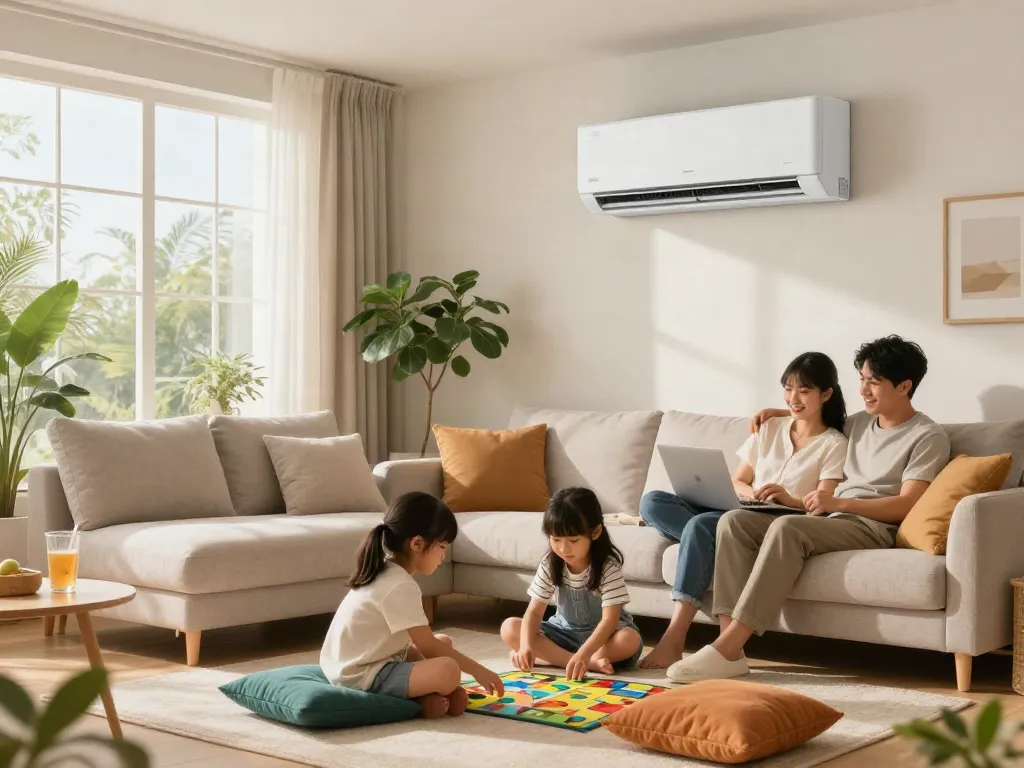
The Evolution of Ductless Air Conditioners Over the Years
Over the past few decades, ductless air conditioners have emerged as a popular choice for heating and cooling residential and commercial spaces alike. These systems, often referred to as mini-splits, operate without the need for traditional ductwork, offering flexibility and efficiency. As energy costs rise and the demand for environmentally friendly solutions escalates, understanding the evolution of ductless systems becomes crucial for both homeowners and builders. When exploring options, ductless air conditioner solutions provide comprehensive insights into modern HVAC technology.
Historical Overview of Ductless Air Conditioning Systems
The concept of ductless air conditioning dates back to the mid-20th century, with early versions introduced in Japan. These systems gained traction in the 1970s, particularly following the energy crisis when efficient cooling systems became essential. The initial models were basic but laid the groundwork for the advanced systems we see today. As the technology evolved, manufacturers began to focus on improving energy efficiency and increasing the number of climate zones a single system could effectively manage.
Key Innovations in Ductless Technology
Advancements in ductless technology have been significant, particularly in the realm of inverter technology. Early ductless units operated on a simple on/off mechanism, which was not energy efficient. The introduction of inverter compressors allowed these units to modulate their speed based on the cooling load, leading to significant energy savings. Furthermore, the development of smart thermostats and Wi-Fi capability has made it easier for homeowners to control their systems remotely, optimizing energy use.
Comparative Analysis: Older Models vs. Today's Units
Today's ductless air conditioners are equipped with features that enhance their performance and user-friendliness. Compared to older models, modern units are quieter, more aesthetically pleasing, and capable of both heating and cooling. The energy efficiency ratings (SEER) have significantly improved, with many units boasting ratings upwards of 25, demonstrating their capacity to reduce energy consumption while providing reliable comfort.
Benefits of Choosing Ductless Air Conditioners for Your Home
Ductless air conditioning systems offer numerous benefits that appeal to a variety of homeowners. Their inherent design and technology provide several competitive advantages over traditional HVAC systems.
Energy Efficiency: Saving Money and the Environment
One of the primary advantages of ductless air conditioners is their enhanced energy efficiency. These systems consume less energy than conventional systems, leading to lower utility bills. The ability to control the temperature in individual zones means that energy is not wasted cooling unused spaces. According to the U.S. Department of Energy, ductless systems can save homeowners 30% to 40% on energy costs compared to central air systems.
Space-Saving Design: Ideal for Small and Unconventional Spaces
Ductless units are also designed to fit into a variety of spaces where traditional systems might not be feasible. Their compact design allows for installation in tight spaces and areas without existing ductwork, such as attics, basements, or additions. This flexibility makes them particularly popular in urban settings where real estate is at a premium.
Quiet Operation: Enhancing Comfort without Noise
Today's ductless air conditioners are designed to operate quietly, allowing homeowners to enjoy a peaceful environment without the disruptive noise associated with traditional HVAC systems. Many units operate at sound levels comparable to a whisper, making them an excellent choice for bedrooms and living rooms.
Installation Considerations for Ductless Systems
Installing a ductless air conditioning system requires careful planning. Homeowners must consider various factors to ensure that the unit operates efficiently and effectively.
Choosing the Right Location for Your Unit
Placement of the indoor unit is critical for optimal performance. Ideally, units should be positioned to distribute air evenly throughout the space. It's also essential to avoid placing them near heat sources or in direct sunlight, as this can affect their efficiency.
Professional vs. DIY Installation: Pros and Cons
While some homeowners might consider a DIY installation to save costs, hiring a professional can ensure that the system is installed correctly. Professionals have the training and tools necessary to handle refrigerant lines and ensure that the installation complies with local codes. A poorly installed system can lead to reduced efficiency and increased wear and tear.
Common Installation Mistakes to Avoid
Common mistakes during installation include failing to adequately insulate refrigerant lines, choosing inappropriate locations for the outdoor unit, and neglecting to check the electrical requirements. Avoiding these pitfalls can lead to a more efficient and longer-lasting system.
Maintenance Tips for Optimal Ductless Air Conditioner Performance
Maintaining a ductless air conditioner is crucial for ensuring its efficiency and longevity. Regular maintenance can prevent costly repairs and extend the life of the unit.
Routine Maintenance Practices for Longevity
Homeowners should clean or replace filters at least every three months, as dirty filters can impede airflow and reduce efficiency. Additionally, keeping the outdoor unit clear of debris and ensuring that the fins are clean will help maintain optimal performance.
Signs Your Unit Needs Repair or Replacement
It's essential to be aware of signs that indicate a need for repair or replacement. Unusual noises, fluctuating temperatures, and increased energy bills can all signal that something is amiss. If a unit requires frequent repairs, it might be more cost-effective to consider a replacement.
Seasonal Preparation Tips for Ductless Systems
Before the cooling season begins, it's advisable to have a professional inspect the system to ensure it's operating efficiently. Additionally, homeowners can perform preliminary checks, such as making sure the remote control batteries are fresh and testing the system to ensure it’s heating or cooling as expected.
The Future of Ductless Air Conditioning Technology
The ductless air conditioning market continues to evolve, driven by advancements in technology and changing consumer preferences. The future holds exciting possibilities that can enhance comfort and efficiency.
Emerging Trends in Air Conditioning Technology
As technology progresses, we can expect more ductless systems to integrate smart technology. This includes energy tracking features that help users monitor consumption and optimize settings based on usage patterns. Additionally, advancements in refrigerants are being developed to reduce environmental impact.
The Role of Smart Technology in Ductless Systems
Smart thermostats and home automation systems are becoming increasingly integrated with ductless air conditioning units, allowing for remote control via smartphones or smart home devices. This level of control enables homeowners to adjust settings on the go, leading to greater energy savings and convenience.
Anticipated Industry Changes and Consumer Preferences by 2026
By 2026, we can expect consumers to prioritize sustainability and efficiency even more. The demand for systems that utilize eco-friendly refrigerants and those that offer greater energy savings will likely define the ductless air conditioning market. Moreover, with rising awareness about indoor air quality, features that improve air filtration and purification will become standard.
Are Ductless Air Conditioners Any Good?
The performance of ductless air conditioners can vary based on factors such as unit placement, maintenance, and usage patterns. However, overall, they are highly rated for their energy efficiency and ability to provide consistent comfort across different climate zones.
How Much Does It Cost to Install a Ductless AC Unit?
The installation cost for ductless AC units can vary widely based on the number of zones, the brand, and the complexity of the installation. On average, homeowners can expect to spend between $3,000 and $5,000 for a multi-zone system, which includes both equipment and labor.
What Are the Downsides of a Mini Split AC System?
While ductless systems offer many benefits, there are some potential downsides to consider. These can include higher initial costs compared to traditional systems, the aesthetic impact of indoor units on home decor, and the need for professional installation to ensure optimal performance.
Is It Cheaper to Run a Mini Split or Central AC?
Generally, ductless mini-splits are cheaper to operate than central air conditioning systems, primarily due to their energy efficiency and the ability to cool specific areas or rooms rather than the entire home. Homeowners can significantly lower their energy bills by only cooling occupied spaces.